
APRIL 2026
MAXIMIZING SMALL SEATTLE LOTS
Living in Seattle often means making thoughtful trade-offs. You get walkable neighborhoods, established communities, and character-rich homes, but often on compact lots with strict zoning limitations. For many homeowners, the question isn’t whether they love where they live, it’s how to make their home work better within those constraints. That’s where a strategic design build approach becomes invaluable.
At Crescent Builds, we specialize in helping homeowners unlock the full potential of their properties through intentional home renovations and custom home remodels. When expanding outward isn’t always an option, the opportunity lies in rethinking how your existing space functions and how it can evolve to better support your lifestyle.
Start with the Space You Already Have
One of the most important mindset shifts in any home remodel, especially on a small lot, is that more space doesn’t always mean better space. In fact, in many of the custom home remodels we’ve completed throughout Seattle, the most successful outcomes have come not from adding square footage, but from making smarter, more intentional use of what already exists. This is often a surprising realization for homeowners. There’s a natural instinct to think that the only way to improve livability is to build out: add an addition, push into the yard, or expand the footprint. But when zoning constraints, lot coverage limits, and setbacks come into play, that approach isn’t always feasible. And even when it is, it’s not always the most effective solution. Instead, some of the most impactful home renovations we’ve delivered have focused entirely on reimagining underutilized areas within the home; spaces that were never originally designed with long-term functionality in mind.
Basements are one of the clearest examples of this. In many Seattle homes, especially older properties, basements tend to evolve into catch-all storage areas. They’re often dark, segmented, and disconnected from the rest of the home, used more out of necessity than intention. But with the right design build strategy, these spaces can be completely transformed into highly functional, livable environments. We’ve seen basements become everything from comfortable guest suites to fully integrated living areas, home offices, media rooms, and even income-generating ADUs. The key isn’t just finishing the space. It’s designing it in a way that feels cohesive with the rest of the home and supports how the homeowner actually lives.
That’s where the role of a thoughtful design-build firm like Crescent Builds becomes critical. It’s not just about converting space but redistributing function across the entire home. When a basement transitions from storage to living space, that storage doesn’t disappear. It needs to be intentionally relocated and re-integrated elsewhere. This might involve incorporating custom built-ins, optimizing underutilized closets, or even leveraging attic space more effectively. In some cases, it means designing entirely new storage strategies that are more efficient and better aligned with how the homeowner uses their space day-to-day. Ultimately, this approach leads to a more balanced and functional home. One where every square foot is working with purpose, rather than simply existing as leftover or underutilized space. While this whole-home strategy can take many forms, from rethinking storage to reconfiguring layouts, one of the most impactful ways to apply it is by creating independent, highly functional living spaces within the existing structure.
ADUs and Flexible Living
One of the most powerful applications of this approach is the creation of Accessory Dwelling Units (ADUs). ADUs have become one of the most valuable and versatile strategies in modern home renovations, especially in cities like Seattle where space is limited and housing demand continues to evolve. For homeowners working with a design-build firm, ADUs represent an opportunity to carve out a self-sufficient, highly functional living environment within the existing property.
Whether designed for rental income, multi-generational living, guest accommodations, or long-term flexibility, ADUs allow homeowners to maximize what they already have while creating meaningful, income-generating or lifestyle-enhancing space. In many cases, they become one of the most impactful elements of a custom home remodel, not just from a usability standpoint, but from a long-term investment perspective. For many of our clients, converting an underutilized lower level into an ADU is one of the most efficient ways to increase both livability and property value without expanding the footprint. These projects often involve more than just finishing a basement and require careful planning around layout, egress, natural light, mechanical systems, and code compliance.
A skilled remodeling contractor approaches ADU design holistically. That means thinking through how the space will function independently, while still feeling connected to the overall home. It also means navigating permitting requirements, zoning considerations, and city regulations; areas where experience and process make a significant difference. From a design perspective, the goal is to create a space that feels intentional and complete, not secondary or compromised. This includes incorporating full kitchens or kitchenettes, comfortable living areas, and well-designed bathrooms, all within a footprint that may have originally been designed purely for storage.
Ultimately, ADUs are a reflection of a broader shift in how homeowners approach their properties. Rather than simply increasing square footage, they’re investing in flexibility, adaptability, and long-term value; principles that are at the core of any successful home renovation.
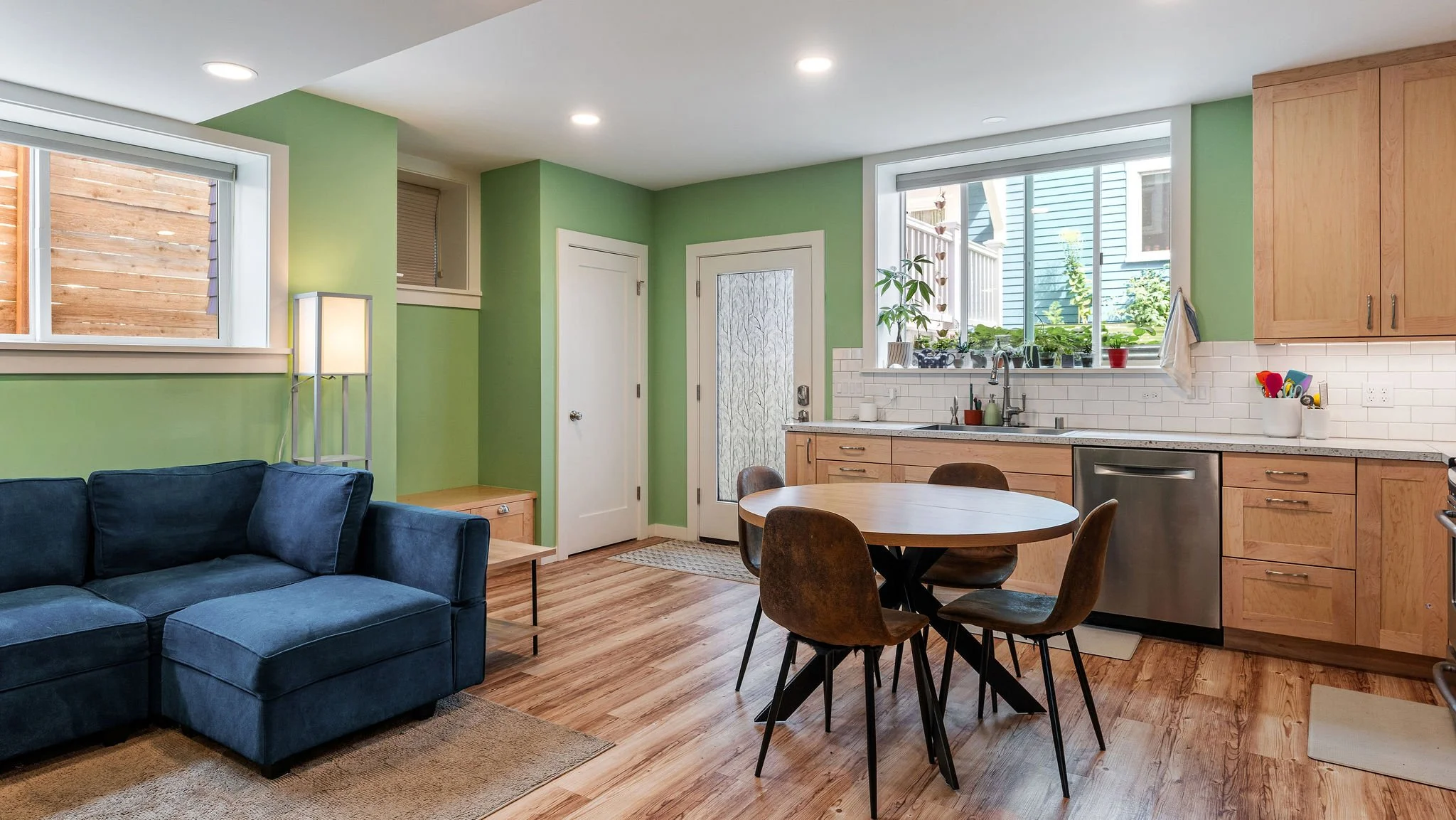
To learn more about how we added a new foundation to transform our client’s basement into an inviting ADU with three bedrooms, a full bath, and an open concept living area, click here.
When Expansion Isn’t an Option, Build Up
Seattle zoning regulations often limit how much of your lot can be built on, which can quickly constrain traditional expansion strategies. Lot coverage limits, setbacks, and height restrictions all play a role in shaping what’s possible. As a result, many homeowners find that building outward simply isn’t an option. At least, not without significant compromises. In these cases, a thoughtful design build approach shifts the focus from expanding out to building up.
Vertical additions become one of the most effective solutions for increasing livable space while maintaining the integrity of the property. Second-story additions and full or partial house lifts allow homeowners to unlock entirely new square footage without sacrificing valuable outdoor areas. This is especially important in Seattle neighborhoods where yard space, light access, and site constraints are just as important as interior space. From a design perspective, these types of custom home remodels create opportunities to completely re-balance how a home functions. Adding a second story can allow for the creation of dedicated private zones, such as primary suites, additional bedrooms, or home offices, while freeing up the main level for more open and communal living. This separation often leads to a more intuitive and comfortable flow throughout the home. However, these projects are far from simple. They require careful structural evaluation of the existing home, including foundation capacity, framing conditions, and overall building integrity. In many cases, we’re working with older Seattle homes that weren’t originally designed to support additional levels, which means thoughtful engineering and planning are critical. As a skilled remodeling contractor, we also consider how the new structure integrates with the existing architecture, both aesthetically and functionally. The goal isn’t just to add space, but to ensure the addition feels cohesive, intentional, and aligned with the character of the home.
When executed well, vertical expansions can feel transformative. They allow homeowners to stay in the neighborhoods they love while gaining the space they need by turning a constrained property into a home that feels expansive, balanced, and designed for the long term.
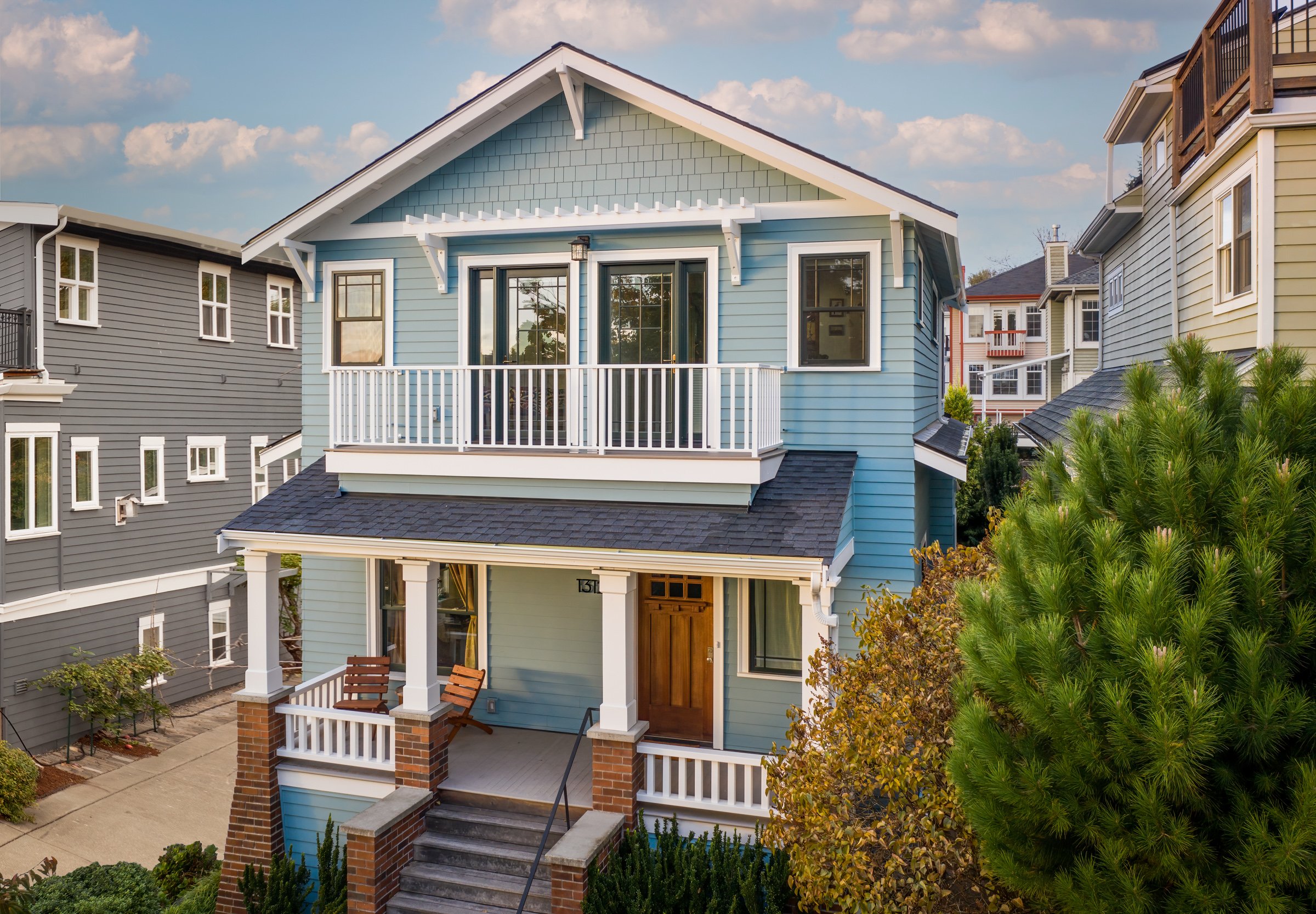


To maximize the use of a small Wallingford lot, we removed the existing partial second story to introduce a new floor system and add a full-height addition without needing to replace the existing stair system. The result provided our clients with three new bedrooms, including a primary suite and office. To learn more about this project, click here.
Efficient Design Matters
Maximizing a small home isn’t just about adding space. It’s about designing smarter, with a clear understanding of how each area is used on a daily basis. In many custom home remodels, we find that inefficiencies, not lack of square footage, are what limit how a home performs. By identifying those inefficiencies early in the design build process, we’re able to create solutions that significantly improve livability without expanding the footprint.
Kitchens are one of the most impactful places to apply this thinking. Rather than prioritizing size alone, a well-designed kitchen focuses on workflow, accessibility, and intentional placement of key elements. An efficient working triangle, thoughtful storage integration, and clear circulation paths can make even a compact kitchen feel highly functional and comfortable. In fact, in many home renovations, reducing unnecessary movement within the space can have a bigger impact than simply making it larger.
Beyond the kitchen, these same principles apply throughout the home. Strategic design decisions like improving sightlines between rooms, introducing more natural and artificial lighting, and refining how people move through a space can dramatically change how a home feels. Opening visual connections between spaces allows light to travel further, while intentional circulation planning ensures that rooms feel connected rather than fragmented. As a remodeling contractor, we often see how small adjustments can create a significant shift in perception. A space that once felt tight or disconnected can feel open, bright, and cohesive, simply through thoughtful layout changes and design detailing. These are the types of solutions that define a successful home remodel; not just adding space but elevating how that space functions and feels on a daily basis.
Reconfiguring for Better Flow
Sometimes the most impactful change is simply rethinking how space is used. Layout reconfiguration can dramatically improve how a home feels and functions, often without adding any square footage at all. In many Seattle homes, especially older properties, the existing layout reflects a different era of living: enclosed kitchens, segmented rooms, and inefficient circulation. Through a thoughtful design-build approach, these constraints can be reworked to create spaces that feel more open, connected, and aligned with modern lifestyles. While this type of transformation can involve removing walls, adjusting key spaces, or improving how rooms relate to one another, the bigger idea is this: how your home flows has a direct impact on how it lives. We’ll dive deeper into how layout, light, and spatial relationships shape everyday comfort in next month’s blog on why floor plan flow matters, and how a well-designed layout can completely change the way you experience your home.
Start the Conversation
If you’re thinking about how to make your home work better, whether that means reconfiguring your layout, exploring an addition, or planning a full custom home remodel, the best place to start is with a conversation. At Crescent Builds, our design-build process is built around understanding your goals, your space, and your long-term vision. We take the time to evaluate what’s possible within your existing home and guide you toward solutions that are both practical and aligned with how you live.
If you’re considering a home renovation in Seattle or the surrounding areas, we invite you to reach out to our team. We’d be happy to walk through your ideas, share insights from similar projects, and help you take the next step with clarity and confidence.